Understanding Drones: The Best Drones, An Overview
Drones, formerly known as unmanned aerial vehicles (UAVs), have become an integral part of various industries over the last decade. These devices are capable of flight without a human pilot onboard, allowing for many applications in sectors such as photography, videography, agriculture, and surveillance. Drones can be classified into several types based on their design, functionality, and intended use, including multirotor, fixed-wing, and hybrid models. Each type offers unique advantages suitable for different purposes.
Multirotor drones, which include quadcopters and helicopters, are the most common in the photography and videography space. Their ability to hover, take off, and land vertically makes them ideal for capturing captivating and dynamic footage. Equipped with high-resolution cameras and stabilization technology, these drones are popular among both amateur and professional photographers who seek to create stunning aerial visuals. On the other hand, fixed-wing drones are more suitable for longer flights and covering larger areas, making them advantageous for agricultural monitoring and surveying tasks.
The technology that powers the best drones is equally impressive. Incorporating advancements in GPS, telemetry, and camera systems, drones can autonomously navigate predefined flight paths while delivering breathtaking imagery. The integration of high-definition video capabilities, alongside features like gimbal stabilization, has further enhanced the quality of content produced using these aerial platforms. With the rise of user-friendly control systems and mobile applications, the entry barriers for aspiring drone operators have significantly diminished, resulting in a surge of interest within the photography and videography communities.

- Enhanced Camera for Travel Shots – Air 3S’s 1″ CMOS primary camera delivers breathtaking shots with enriched detail in l…
- Capture Footage with Vibrant Detail – Record cinematic 4K/60fps HDR video with up to 14 stops of dynamic range [4] to se…
- Free Panorama Mode – Create seamless panoramic shots by stitching together images. Wide-angle panos offer a wider scope …
In recent years, the popularity of the best drones has skyrocketed, driven by their versatility and ability to provide unique perspectives that traditional photography methods may not offer. As enthusiasts explore the vast landscape of aerial photography, various models have emerged in the market, each catering to different levels of expertise and specific needs.
Key Features to Consider When Choosing the Best Drones
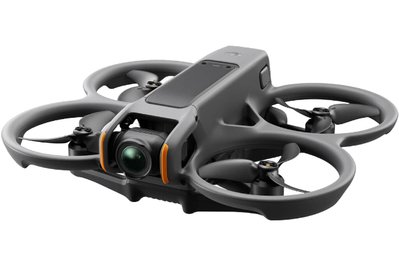
DJI Avata 2 Top picks
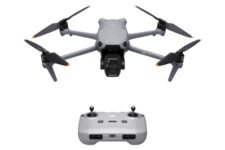
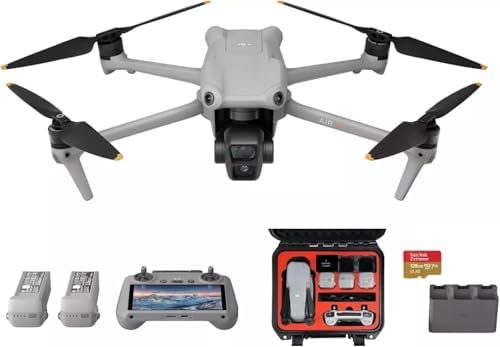
DJI Air 3S Top picks
Enhanced Camera for Travel Shots – Air 3S’s 1″ CMOS primary camera delivers breathtaking shots with enriched detail in low-light
Image quality
We’ve made photos and videos with all 36 of the drones we’ve tested since 2016 and compared them each time to find the best results.
Obstacle avoidance
We fly drones through trees and at other objects that can get in their way to see if the drones detect them and avoid crashing.
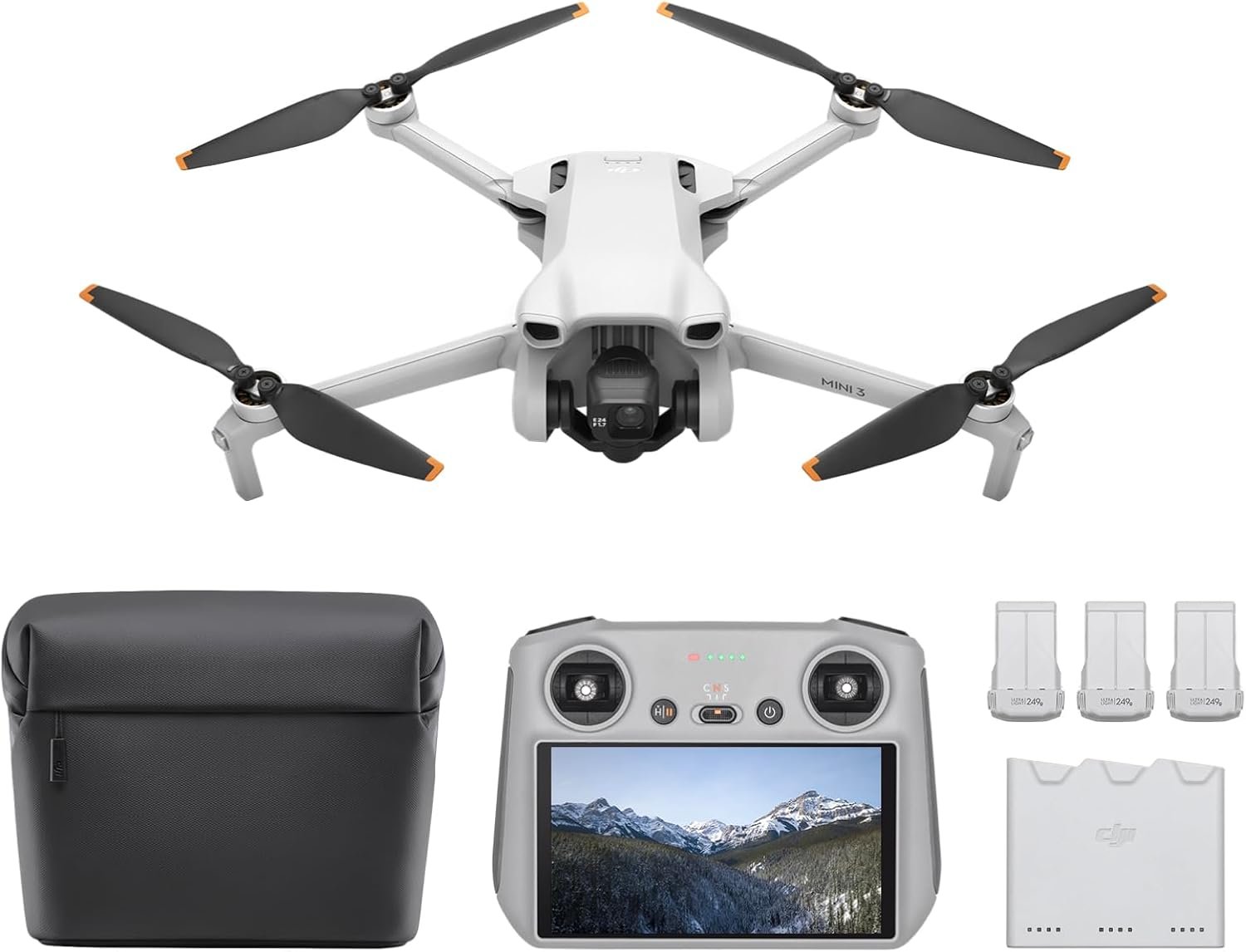
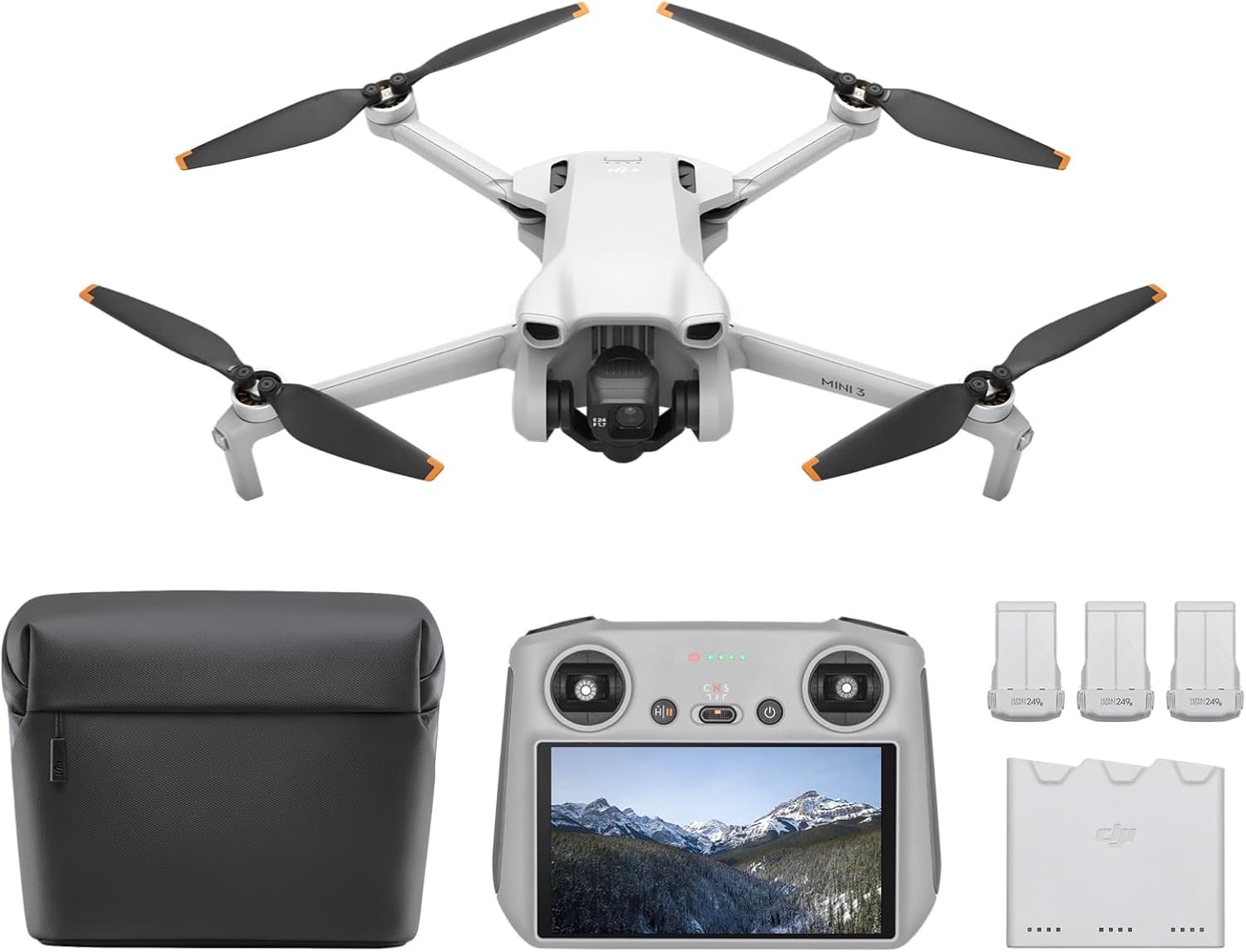
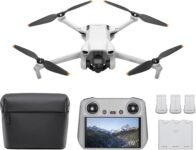
DJI Mini 3

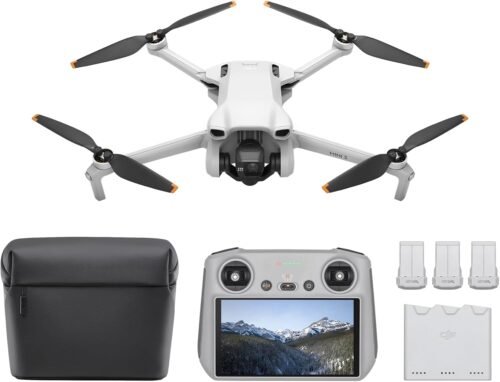
DJI Mini 3 Fly the best drones
4K UHD Stunning Imagery- Film in 4K HDR Video for crystal clear aerial shots.
When selecting the best drones for photography and videography, several essential features play a pivotal role in ensuring optimal performance and results. The first and foremost aspect to consider is camera quality. High-resolution cameras equipped with advanced sensors can make a significant difference in capturing stunning imagery. Look for drones that provide at least 4K resolution for videos and a minimum of 12 megapixels for still photographs. Additionally, consider the drone’s ability to adjust settings such as ISO, exposure, and shutter speed, which can greatly enhance image quality in varying lighting conditions.
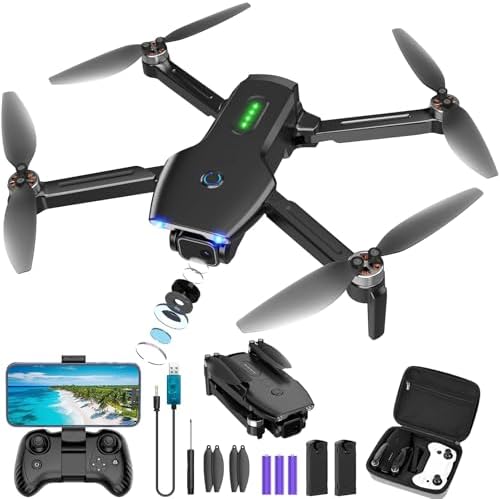
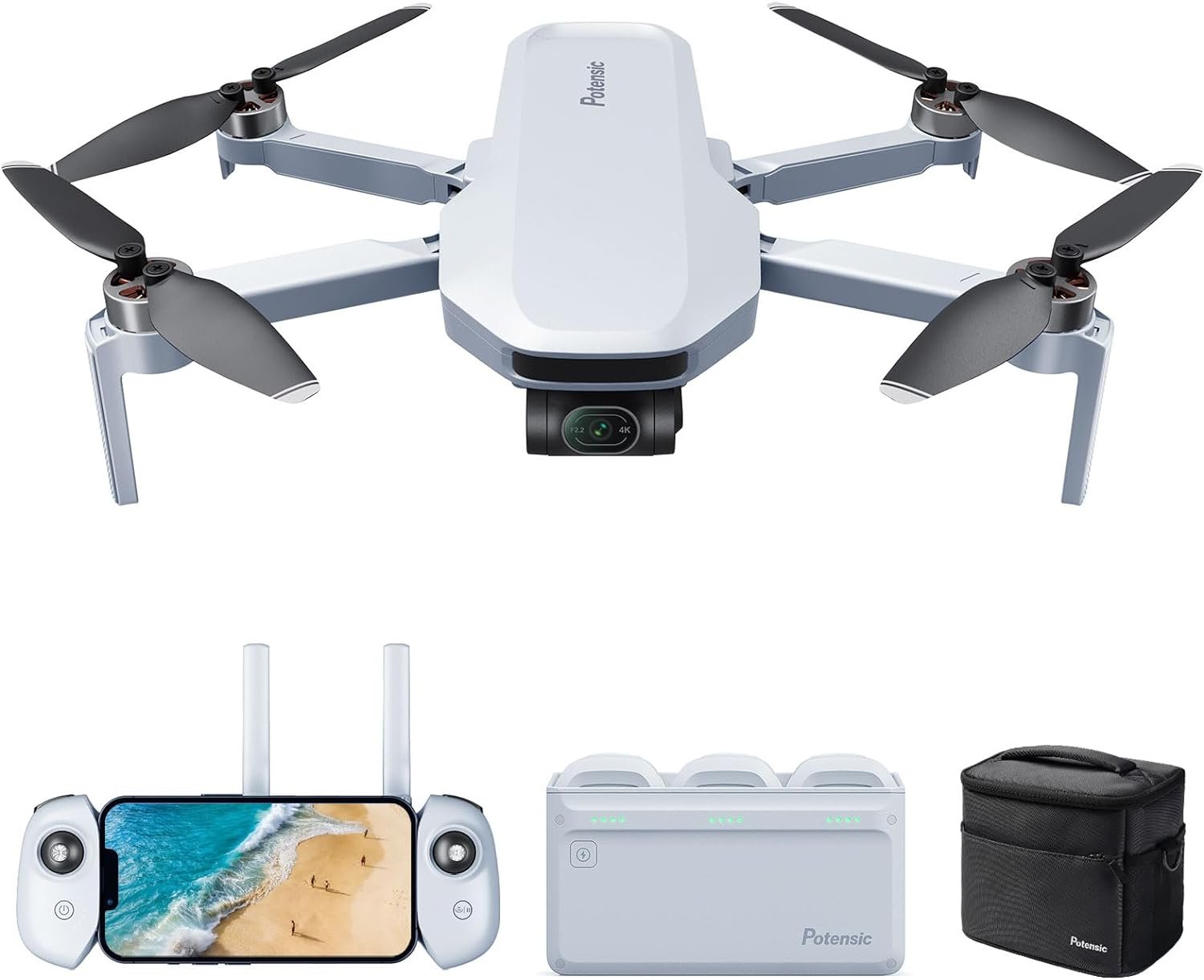
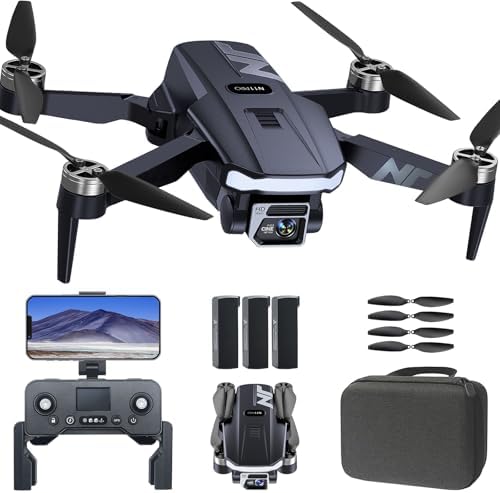
Potensic ATOM 3-Axis Gimbal

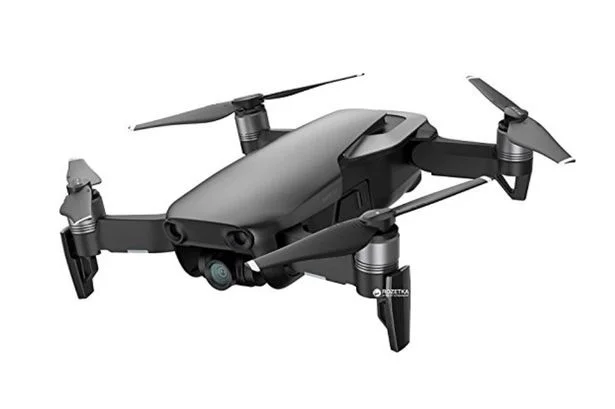
Flight time is another critical factor that impacts your experience. Most drones offer flight durations ranging from 20 to 30 minutes on a single charge. However, higher-end models might provide extended flight times. Choosing a drone with longer battery life will allow for more creative opportunities and reduce downtime. Alongside flight time, the range of the drone should also be assessed. A longer operational range enables you to capture photos and videos from greater distances and provides flexibility in vast environments.

Stability is vital for producing smooth, high-quality footage, particularly in windy conditions. Drones equipped with 3-axis gimbals are excellent for maintaining stability during flight, ensuring that your videos remain steady. Ease of use is also imperative, especially for beginners. User-friendly features like automatic takeoff, landing capabilities, and intuitive remote controls can streamline the flying experience. Additionally, modern drones often come equipped with GPS technology and obstacle avoidance systems, which aid in navigation and enhance safety during aerial maneuvers. By considering these essential features, you can make an informed decision tailored to your specific photography and videography needs.

Top 5 Best Drones for Photos and Videos
In the rapidly evolving world of drone technology, several models have emerged as the best drones for capturing breathtaking photos and videos. Here we explore five of the best drones currently available, highlighting their features, specifications, and pricing, to assist potential buyers in making an informed decision.
- DJI Mavic Air 2 – A standout model, equipped with a 48MP camera capable of 4K video at 60fps. This drone features advanced flight modes such as SmartPhoto, which enhances image quality, and intelligent tracking capabilities, making it an excellent choice for users seeking high-quality content without extensive piloting skills. Priced around $799, the Mavic Air 2 offers a perfect balance of performance and affordability.
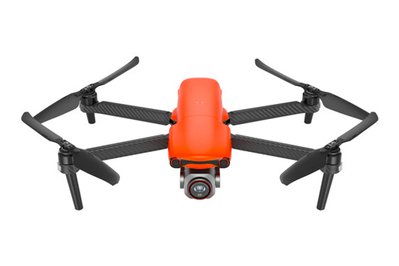
- Autel Robotics EVO Lite+ – With a 50MP camera and 6K video capabilities, it excels in low-light conditions, ensuring stunning night shots. The drone offers an impressive flight time of up to 40 minutes, making it ideal for extended shoots. Its pricing starts at approximately $1,149, available from various online retailers.
- DJI Mini 2 – A compact solution without sacrificing quality. An impressive 12MP camera coupled with 4K video capabilities makes this model a favorite among hobbyists. Its lightweight design and user-friendly features appeal to beginners, and it is competitively priced at around $449.
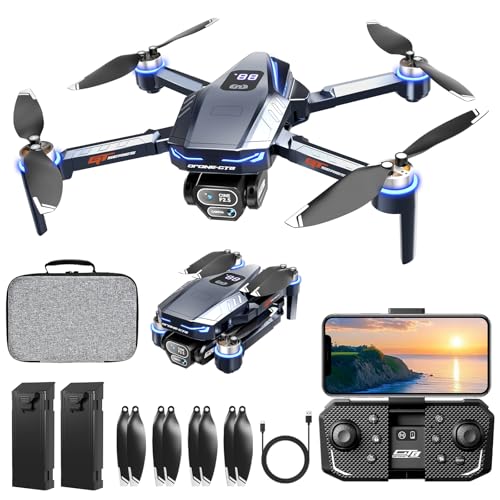
4K Ultra HD & 3-Axis Gimbal for Cinematic Quality Shooting – Capture stunning moments in any light—sunrises, sunsets, and night scenes with crystal-clear 4K resolution. Thanks to the 3-axis gimbal, you can achieve cinematic-quality footage with this advanced drone with camera.
38kph (Level 5) Wind Resistant – This drone for adults has a stable flight even in Level 5 winds. Brushless motors enhance power and allow takeoff at altitudes up to 4,000 meters.
10km Max HD Video Transmission-up to 10 km (32,800 feet) [2] of HD video transmission and has excellent anti-interference capabilities, giving you the ability to freely explore vast landscapes and see clearer.
Due to platform compatibility issue, the DJI Fly app has been removed from Google Play. To ensure a better product usage experience, please log in to the DJI official website to download the latest version of DJI Fly.
Uninterrupted Creation with Extended Battery Life – There are three sets available for you to choose from: 1-battery set (31-min), 2-battery set (62-min), or 3-battery set (93-min). [3] Say goodbye to battery anxiety and let nothing hold you back.
Beginner-Friendly and Safe – DJI Mini 4K supports one-tap takeoff/landing, GPS Return to Home (RTH) and stable hovering, and one-touch easy operation for novices. Additional in-app learning resources help you master flight quickly.
Mini 4K
Includes DJI Mini 4K, 2 batteries, DJI RC-N1C remote controller, shoulder bag, propeller holder, spare propellers, and more, so you can fly longer and capture more.
- DJI Phantom 4 Pro V2.0 – If you require professional-grade footage, this robust option features a 20MP camera and mechanical shutter, designed for detailed aerial photography. This high-performance drone retails for approximately $1,599, suitable for professionals seeking superior image quality.
- Skydio 2 – Renowned for its autonomous flying capabilities, this drone is equipped with a 12MP camera and 4K video capability. Its unmatched obstacle avoidance technology sets it apart, priced at around $999, making it an innovative choice for content creators looking for seamless filming experiences.
Tips for Capturing Stunning Aerial Shots
Capturing breathtaking aerial photos and videos requires both an understanding of your drone’s capabilities and a few essential techniques that can significantly enhance your results. One of the fundamental aspects to consider is composition. The rule of thirds is a widely used guideline in photography that can be applied to aerial shots. By positioning key elements of your scene along the intersecting lines or their intersections, you can create more visually appealing images. Additionally, incorporating leading lines, such as roads or rivers, can guide the viewer’s eye through the photograph.
Light plays a critical role in photography, and aerial shots are no exception. The golden hour, shortly after sunrise or just before sunset, provides soft, warm lighting that can elevate your photos significantly. During these hours, shadows become elongated, adding depth and dimension to your images. It is also advisable to avoid harsh midday sun, which can wash out colors and create stark shadows. If you must shoot during this time, consider using ND filters, which reduce the intensity of sunlight without affecting color balance.
Choosing the right angles and perspectives can drastically change the outcome of your images and videos. Experimenting with different altitudes and distances from your subject can lead to unique perspectives that captivate your audience. Don’t hesitate to try shooting straight down, at an angle, or even from low altitudes to emphasize textures and patterns.
Post-processing techniques also play a vital role in enhancing aerial images and videos. Utilizing software like Adobe Lightroom or Photoshop allows you to adjust exposure, contrast, and color balance, ensuring your visuals match your artistic vision. Moreover, utilizing video editing software can help in creating engaging clips that capture the stunning beauty of aerial footage. By following these tips, you can maximize the potential of your drone and create awe-inspiring aerial photography and videography that resonates with viewers.