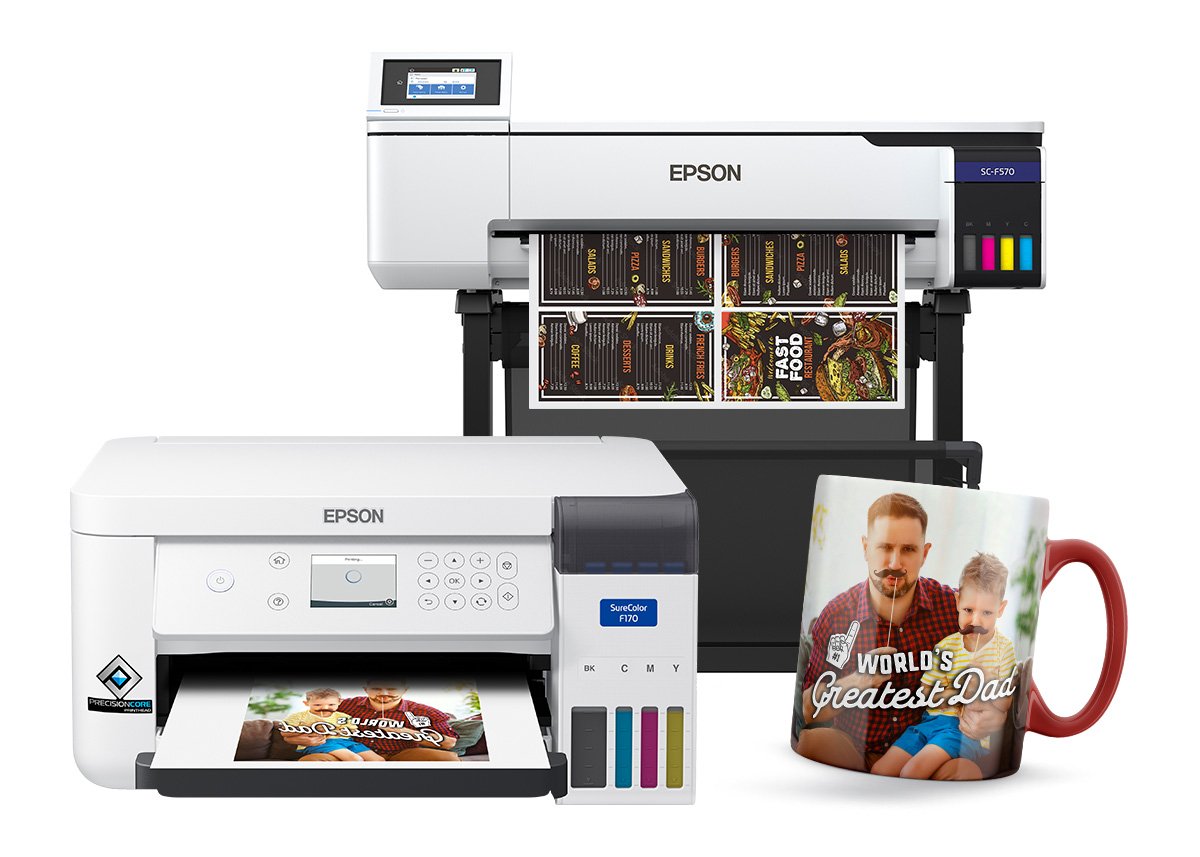
If you’ve ever considered starting a custom printing business, you’ve probably stumbled across the debate: sublimation vs DTF. Both technologies are reshaping how entrepreneurs approach personalized apparel, mugs, signage, and promotional items. But when it comes to spotting the best opportunity in sublimation products, knowing the advantages and limits of each method is crucial. In this guide, we’ll not only compare sublimation with DTF, but also highlight unique product niches that offer the highest return on investment. Whether you’re a startup or looking to scale, this article will help you uncover new opportunities.
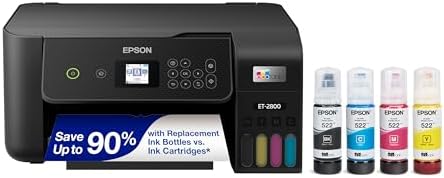
- Keep your office running smoothly with the Epson EcoTank ET-2800 All-in-One Supertank Color Printer. Expect vivid, detai…
- Innovative Cartridge-Free Printing ? No more tiny, expensive ink cartridges; each ink bottle set is equivalent to about …
- Dramatic Savings on Replacement Ink ? Save up to 90% with replacement ink bottles vs. ink cartridges (1) – that’s enough…
Understanding Sublimation Printing
What is Sublimation?
Sublimation printing involves transferring designs onto products by turning solid ink into gas using heat and pressure. This process allows ink to permanently bond with polyester or polymer-coated surfaces, resulting in vibrant, long-lasting designs
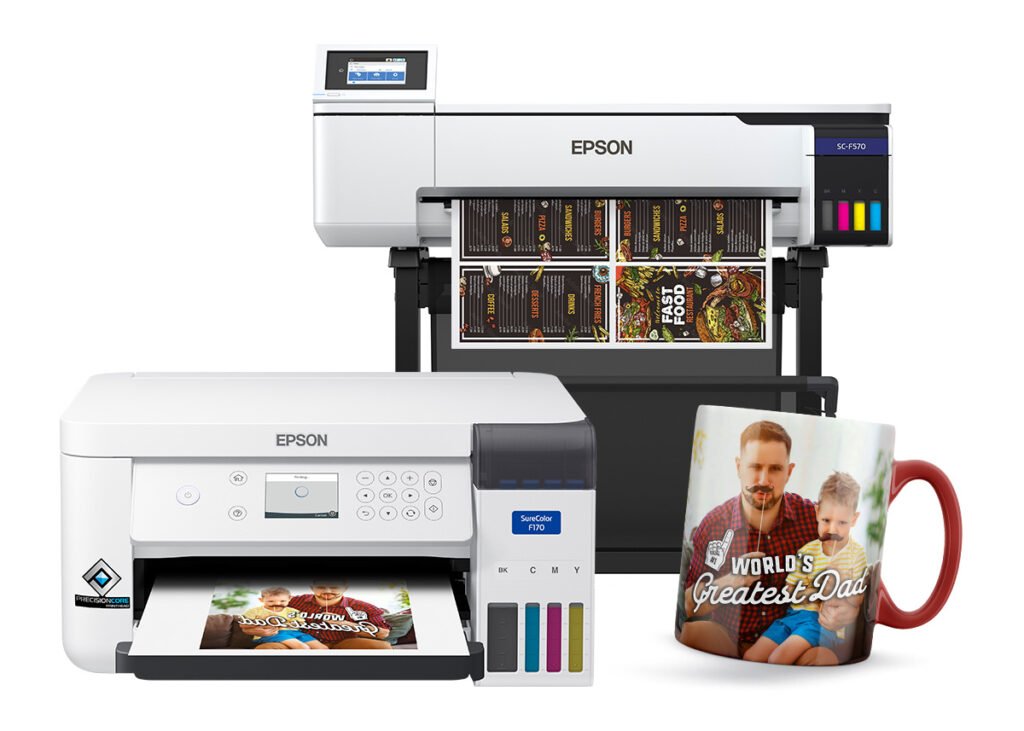

- 𝗔𝘀𝘁𝗼𝘂𝗻𝗱𝗶𝗻𝗴 𝗣𝗿𝗶𝗻𝘁 𝗤𝘂𝗮𝗹𝗶𝘁𝘆: Epson’s Surecolor F170 Sublimation printer boasts the PrecisionCore printhead which offers Pre…
- 𝗚𝗲𝗻𝘂𝗶𝗻𝗲 𝗘𝗽𝘀𝗼𝗻 𝗗𝘆𝗲-𝗦𝘂𝗯𝗹𝗶𝗺𝗮𝘁𝗶𝗼𝗻 𝗜𝗻𝗸 𝗧𝗲𝗰𝗵𝗻𝗼𝗹𝗼𝗴𝘆: Epson ink is well-known for its consistent delivery of extraordinary color…
- 𝗩𝗲𝗿𝘀𝗮𝘁𝗶𝗹𝗲 𝗠𝗲𝗱𝗶𝗮 𝗦𝘂𝗽𝗽𝗼𝗿𝘁: Includes a 150-sheet auto-feed tray for added efficiency. Epson SureColor sublimation printers …
Advantages of Sublimation
- Vivid colors & durability: Prints are embedded into the surface, ensuring no cracking or peeling.
- Soft-hand feel: On textiles, sublimation produces designs that feel like part of the fabric.
- Low entry cost: Sublimation starter kits are affordable and beginner-friendly.
- Versatility on coated products: Mugs, mousepads, keychains, and ornaments are all popular choices.
Limitations
- Requires polyester fabric or polymer-coated blanks.
- Limited to light-colored surfaces.
- Not ideal for cotton or dark garments.

Understanding DTF (Direct-to-Film)
What is DTF?
Direct-to-Film printing uses a specialized printer to print designs onto a film, which is then heat-pressed onto garments. Unlike sublimation, DTF is not restricted to polyester or white backgrounds.
Advantages of DTF
- Works on a wide variety of fabrics (cotton, polyester, blends, denim).
- Excellent for dark garments.
- Strong adhesion & durability: Wash resistance rivals screen printing.
- High demand in custom t-shirt businesses.
Limitations
- Initial setup costs are higher than sublimation.
- Maintenance-intensive (printers require regular cleaning).
- Not as eco-friendly due to adhesive powders and inks.
Sublimation vs DTF: Head-to-Head Comparison
| Feature | Sublimation | DTF |
|---|---|---|
| Material Compatibility | Polyester fabrics, polymer-coated blanks | Cotton, polyester, blends, many surfaces |
| Color Range | Best on white/light colors | Works on light and dark fabrics |
| Durability | Excellent – ink becomes part of substrate | Excellent – strong adhesion |
| Cost of Entry | Low | Moderate to high |
| Maintenance | Low | High |
| Product Range | Mugs, tumblers, keychains, mousepads, shirts (polyester) | Apparel, hoodies, denim, tote bags, cotton shirts |
| Market Appeal | Home décor, promotional items, lifestyle products | Streetwear, fashion, small apparel brands |

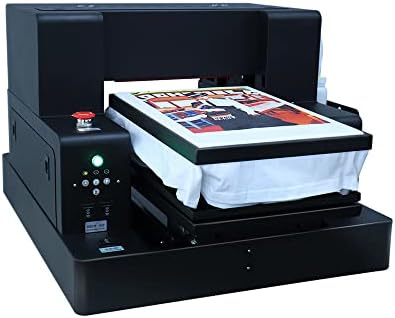
- ✅[White Ink Stirring and Circulatory System]: Ensures flawless printing results without the need for pre-treatment. Simp…
- ✅[Beginner-Friendly Operation]: Easy setup and printing process. Just import your design and press print. No special mai…
- ✅[Suitable for all kinds of Fabrics]: It can be applied to cotton, polyester, leather, t-shirts, jeans, hats, handbags, …
Best Opportunity Sublimation Products
When it comes to building a profitable print-on-demand or small-scale printing business, choosing the right products matters as much as the printing method. Below are some of the most profitable sublimation-friendly products today.
1. Drinkware
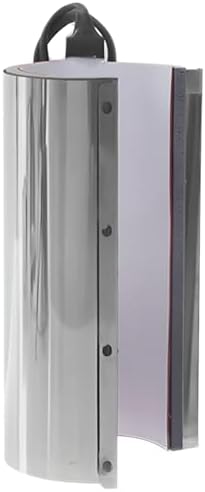
- Mugs (ceramic or enamel with polymer coating)
- Tumblers and water bottles
- Travel mugs with full-wrap designs
These products dominate online marketplaces because they combine practicality with high emotional value. People love gifting custom mugs for birthdays, weddings, and corporate events.
2. Apparel & Accessories
- Polyester t-shirts
- Performance wear & activewear (huge market in sports and fitness)
- Socks & headbands
Activewear sublimation is especially promising because the prints last through washes and stretch without fading.
3. Home Décor
- Throw pillows
- Blankets
- Wall art panels
Etsy and niche e-commerce stores are thriving on sublimated home products, especially those with personalized designs.
4. Office & Lifestyle Products
- Mousepads
- Keychains
- Phone cases (polymer-coated)
These are lightweight, easy to ship, and affordable for bulk orders.
5. Seasonal & Gifting Products
- Christmas ornaments
- Photo slates
- Custom puzzles
These products are ideal for seasonal peaks, especially around holidays.
When to Choose Sublimation vs DTF
Go with Sublimation if:
- You want low startup costs.
- Your product line focuses on home décor, mugs, or light-colored polyester apparel.
- You want prints that feel soft to the touch.
Go with DTF if:
- Your focus is on fashion, streetwear, or high-demand cotton apparel.
- You need versatility for both light and dark garments.
- You’re prepared for higher equipment investment and maintenance.
Personal Perspective: Lessons from the Print Business
From my own journey, starting with sublimation was the smarter entry point. I began by personalizing mugs and keychains, which gave me steady cash flow without overwhelming technical hurdles. Later, I expanded into DTF for custom cotton hoodies and streetwear when demand grew. One key lesson: start simple, validate your market, then scale with DTF or hybrid methods.
Key Market Insights
- Print-on-demand growth: The global custom t-shirt printing market is expected to reach $10 billion by 2025 (source).
- Niche advantage: Etsy sellers report that personalized sublimation items like mugs and ornaments remain bestsellers year-round.
- Hybrid shops thrive: Many print entrepreneurs start with sublimation and later add DTF to broaden their catalog.
Conclusion
The sublimation vs DTF debate isn’t about choosing one over the other—it’s about timing, goals, and product-market fit. For entrepreneurs seeking the best opportunity sublimation products, mugs, apparel, and home décor items remain top picks due to affordability, versatility, and consumer demand. Meanwhile, DTF is the stronger choice for scaling into diverse apparel markets. The winning formula for many businesses is starting lean with sublimation, then reinvesting profits into DTF expansion.


Which side of the sublimation vs DTF debate are you leaning toward for your business? Share your thoughts below, explore our other guides on print entrepreneurship, or subscribe for insider tips on maximizing your profits in custom printing.